

 By Admin |
 November 12, 2026
The process of pumping water is among those necessary processes in agriculture, businesses, industries, and even sewage treatment plants. However, continuous operation of pumps makes the electric bill increase, especially where water has to be drawn from deep wells or great distances. Solar energy in form of sunlight becomes a good source of energy for powering the pumping systems.
A well-designed Solar panel water system can aid in handling the operating costs for businesses and help ensure sustainable water management. Be it for purposes of irrigation, raw water pumping or supplying water to the treatment plant; solar power pumps are worth the consideration.
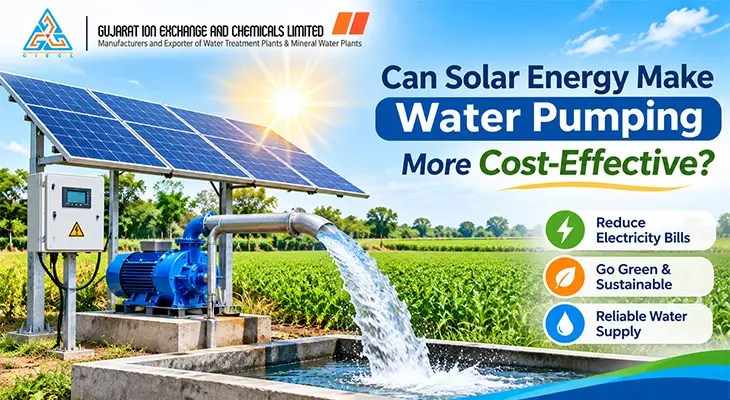
Solar powered water pumps work by the conversion of sunlight into electricity using photovoltaic cells. The generated electricity is used to power a suitable water pump that extracts water from either a borehole, reservoir, or water storage tank.
The components of a solar water pumping system include the solar panels, the pump controller, the motor, the pipes, and the water storage tanks. The batteries can also be included in the system if pumping during dark periods is needed, although storing the water in tanks may be easier than including batteries in the system.
The performance of the solar water pumping system will depend on factors like the intensity of light, capacity of the pump, depth of the water source, the required flow rate, and the distance that the water should travel.
Electricity is a recurring expense for facilities that depend on motor-driven pumps. Solar panels generate power from sunlight, reducing the amount of electricity purchased from the grid. In suitable locations, this can lead to meaningful savings over the system's operating life.
A Solar panel water system is particularly useful where pumping takes place during daylight hours, allowing the facility to use solar power when it is generated.
Power outages can be felt in agricultural irrigation and industrial water pumps among others. An appropriately installed solar pumping system would be able to offer an alternative power supply during sunny days.
In case of facilities far from the main grid, solar energy would also help save on the extension of the grid connection. The economic gain is determined by the existing electrical installations and cost of other energy sources.
Electricity pricing from the grid and the cost of fuels may vary over time. After a solar system has been installed, it becomes a free source of energy, except that the equipment needs to be inspected, cleaned, and maintained.
This makes planning for future finances much easier. Companies should consider the cost of installation, pumping, panel maintenance, and replacement of batteries, when calculating their savings.
Solar pumping can help facilities move water into storage tanks during periods of strong sunlight. Stored water can then be used when demand rises or solar generation falls.
For industrial sites, this approach can be planned around daily water consumption and treatment schedules. A suitable Solar panel water system can support pumping requirements while helping operators manage energy use more carefully.
Solar pumping is not automatically the cheapest option for every facility. The system must match actual water demand and site conditions.
Start by assessing the required daily water volume, pumping head, operating hours, and motor power. Review the site's sunlight availability and determine whether water storage or battery backup is necessary. These factors influence the number of panels, equipment selection, installation cost, and expected performance.
The businesses should also conduct an analysis of how the cost of the solar-powered system compares to their existing electrical cost. The costs involved include maintenance, life span of equipment, finance, and possible downtime of the equipment. In cases where pumping needs to take place at night or during low light hours, then hybridization is the better option.
In the case of industrial purposes, solar energy should be compared to the energy needs of the pump and the overall process of water treatment. This is because water quality needs are different from that of the source of energy used, hence the need for filtration, purification, or reverse osmosis equipment.
Solar power may help cut costs by making water pumping more efficient through proper sizing and the benefits outweighing the upfront costs involved. The use of less grid energy, lower reliance on conventional energy, and the possibility of storing water when it is sunny could increase efficiency.
Water and wastewater treatment solutions for industrial and commercial uses are offered by GIECL. If your company is looking for efficient methods of managing water, reach out to GIECL and they will recommend the right water treatment solutions for you.
Yes, it can as long as the system design considers the needed flow rate, pumping head, and the operating schedule.
Yes, though it could reduce production of electricity and pumping since less sunlight would be available.
Yes, especially if water demand and sunlight availability coincide during daytime hours. This can be done through a cost analysis.

309, Sarthik Square , TGB service
road, Near Info Tower,
S. G. Highway, Bodakdev,
Ahmedabad-380 054, Gujarat, India


© Copyright 1996 - Gujarat Ion Exchange And Chemicals Limited. All Rights Reserved
Powered By: #1 Vinayak InfoSoft - SEO Company Ahmedabad

 Ahmedabad, Gujarat
 +91 92281
90646
 sales@giecl.com

