

 By Admin |
 October 08, 2026
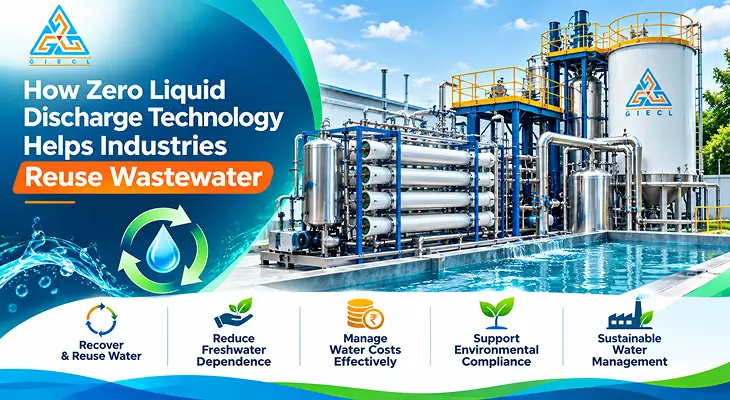
In many industrial processes, water is used for production purposes, machine washing, cooling, and other activities. This results in wastewater with dissolved salts, chemicals, and other impurities. The discharge of such wastewater may affect the environment adversely, whereas heavy reliance on fresh water increases the operational cost. ZLD technology provides an opportunity to treat industrial wastewater and reuse the recovered water.
Companies looking for water management should be familiar with ZLD technology and comparing ZLD system manufacturers can help them choose a suitable wastewater treatment solution.
ZLD, or Zero Liquid Discharge, is a method of handling wastewater such that most of the water is recycled while ensuring that as little liquid as possible is discharged out of the industrial facility. This leftover concentrate waste is then disposed of using appropriate disposal measures.
While the traditional treatment system seeks to dispose of treated water after ensuring that it meets the appropriate standards, the ZLD technique strives to ensure that there is no liquid discharged out of the facility.
A typical ZLD system uses several stages of treatment to remove contaminants and reclaim water. Such stages may include:
The initial steps include removing suspended solids, oil, and other contaminants from wastewater. Such procedures help in preparing water for additional treatment.
Membrane treatment may involve the use of processes such as reverse osmosis. The water is separated from salts and other impurities while collecting the recovered water for reuse.
Wastewater concentration can then be subjected to an evaporation process to extract extra water. During the evaporation process, the dissolved materials concentrate and can be separated.
Where appropriate, crystallisation can assist in transforming the concentrated dissolved material into solid residues. The solid residues will have to be disposed of depending on their composition.
The manufacturing plants can make use of reclaimed water for certain uses, like cooling, cleaning, and certain processes. This reduces the need to draw fresh water for every activity, subject to the required water quality.
Industries processing chemicals, salts, and process wastes require proper wastewater management. ZLD offers an organised method for treatment of wastewaters, reclamation of water and management of concentrate streams.
Water acquisition, waste water treatment, and effluent discharge can add to the cost of running an industry. Water recovery can help reduce the costs associated with them in the long run. The amount of savings depends upon the energy, treatment, maintenance, and water recovered.
ZLD can help industries reduce liquid effluent discharge. It can be useful where water discharge is restricted or where a facility aims to strengthen its wastewater management practices. Industries must still comply with applicable pollution control requirements and manage solid residues responsibly.
Before the selection of a system, it is necessary to take into account the amount of waste produced and the composition of the wastewater, as well as the quality of water required for recycling. The energy consumption, space available, maintenance facilities, and residue disposal facilities must also be taken into consideration.
A comparison of the ZLD system manufacturers should not be made based on the equipment only. It is also important to take into account the process of treatment, the water recovery rate, and other factors. A system designed around the actual wastewater characteristics is more suitable than a standard approach applied to every industry.
GIECL (Gujarat Ion Exchange and Chemicals Limited) provides water and wastewater treatment solutions, including industrial treatment systems. Businesses exploring ZLD options can discuss their wastewater characteristics and reuse requirements with an experienced treatment provider before finalising a system.
Zero Liquid Discharge (ZLD) technology enables industries to recover wastewater water and minimise liquid discharge. Proper treatment of recovered water has the potential to be reused for appropriate industrial applications by facilities to better manage water resources.
Companies should consider treatment performance, long-term operating costs, and waste management requirements before deciding on ZLD system manufacture. A properly planned system can support more responsible industrial water use.
The major function of the ZLD system is to reclaim water that can be used again from wastewater and reduce the amount of liquid effluent from the factory plant.
Yes. Water can be reused for production purposes if it satisfies the necessary quality requirements.
The chemical, pharmaceutical, textile, power and food industries, among others, can utilise the ZLD process.

309, Sarthik Square , TGB service
road, Near Info Tower,
S. G. Highway, Bodakdev,
Ahmedabad-380 054, Gujarat, India


© Copyright 1996 - Gujarat Ion Exchange And Chemicals Limited. All Rights Reserved
Powered By: #1 Vinayak InfoSoft - SEO Company Ahmedabad

 Ahmedabad, Gujarat
 +91 92281
90646
 sales@giecl.com

